


I don’t usually love the word “hack.” Or “trick.” Parenting isn’t a quick-fix kind of journey and most of the time, those words oversimplify emotional and developmental experiences.
But every once in a while, there’s a shift that’s so simple, so overlooked, and so effective… it almost feels like a hack.
And here it is:
If you want to improve your child’s sleep, you have to start working on it during the day.
Not at bedtime. Not even leading up to bedtime. Not during the stalling or tantrums. And definitely not in the middle of the night when everyone is exhausted.
The real sleep work happens long before pajamas, stories, or lights out. It begins during the day, when your child feels safe, calm, and far from the emotions that come with nighttime.
😴 Why This Matters
So many parents come to me saying:
- “My child refuses to fall asleep unless I’m lying right next to them.”
- “Every night is a battle with endless stalling, negotiating, and tears.”
- “My child wakes up at 2am and won’t go back to sleep without crawling into our bed.”
And most of the time, they’re trying to manage in the moment – at bedtime, or worse, in the middle of the night.
But here’s the truth: by the time you’re in it, it’s already too late.
That moment – the protest, the clinginess, the refusal – is not the time to teach or guide or reset. It’s the time to recall everything you’ve been practicing. And if you haven’t practiced? Your child has nothing to lean on but old patterns.
That’s why daytime matters so much.
🌞 Sleep Is Emotional, Not Just Physical
Sleep struggles aren’t just about being tired. They’re about feeling safe. And for many kids, bedtime feels like separation, uncertainty, or emotional disconnection.
Which is why stalling, meltdowns, and night wakings are so common. They’re not misbehavior. They’re signals.
And the best time to help your child prepare for those vulnerable moments is when they’re more regulated during the day. That’s when you can connect, explore, and build new skills together.
So what does daytime sleep work actually look like?
It’s about preparing your child when they’re most open to learning and not caught in the moment.
It looks like:
- Reflecting together on how bedtime has been feeling
- Planning what you want bedtime to look and feel like
- Playing it out during the day, when emotions aren’t high
- Role-playing common bedtime moments like “one more book” or “I don’t want to be alone”
- Building specific emotional tools your child can rely on when the moment arrives
This is the work that lays the foundation for better sleep, and it can’t happen when you’re both exhausted and overwhelmed. It starts much earlier when you’re both feeling good.
And yes, I walk you through all of this inside my Everything 3–7 Course where I show you exactly what these conversations sound like in real life, step by step.
You get my signature 3-Step Sleep Plan clearly laid out, so you always know what to say, when to say it, and how to stay calm and consistent while your child builds new sleep skills.
Whether you’re navigating:
- Bedtime stalling and pushback
- Nighttime fears and anxiety
- Middle-of-the-night wakeups
- Co-sleeping transitions
- Or helping your child fall asleep without you lying next to them…
This course is here to help you feel more confident, prepared, and connected.
“After a month of being sick and off our schedule our daughter has been calling us many many times a night to get water and to tell us stories. I followed your course and spoke to her afterschool and again at dinner about our new plan and she did not call me at all. Thank you!” –Jessica
💛 Join the Everything 3–7 Course and get the full sleep section (and so much more).
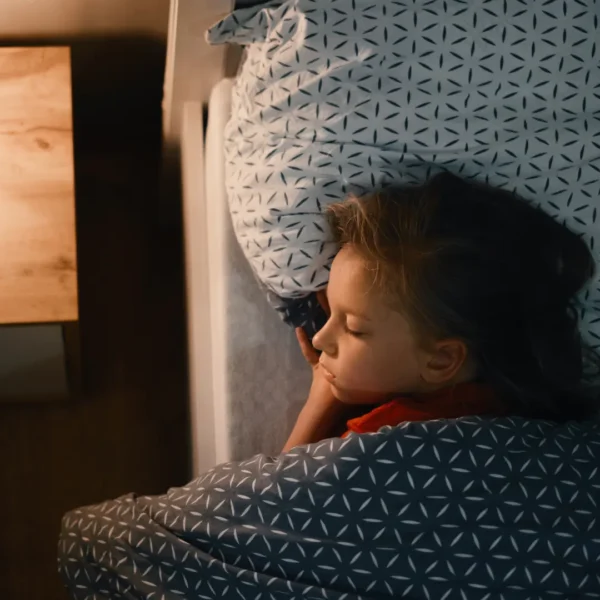 Why Does Bedtime Bring Out Big Emotions?
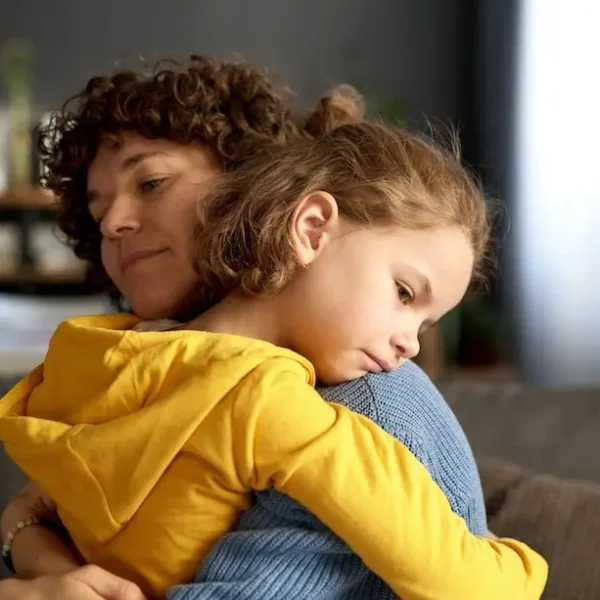 Support, Don’t Fix: A Better Way to Parent